

Embarking on the journey of finding the right siding and roofing solutions near you involves a careful consideration of various factors. From the quality of materials to the expertise of contractors, every detail plays a crucial role in ensuring a durable and efficient outcome. Let's delve into the essentials of what to look for when seeking siding and roofing services in your vicinity.
What to Look For When Searching for Siding and Roofing Near Me
When searching for siding and roofing services near you, it is crucial to consider various factors to ensure the quality and durability of the materials used. The choice of materials for siding and roofing plays a significant role in the overall appearance, longevity, and functionality of your home.Importance of Quality Materials for Siding and Roofing
Using high-quality materials for siding and roofing can enhance the aesthetic appeal of your home while providing better protection against external elements. Quality materials are more resistant to wear and tear, reducing the need for frequent repairs and maintenance.Significance of Durability in Siding and Roofing Materials
Durability is a key factor to consider when selecting siding and roofing materials. Durable materials can withstand harsh weather conditions, such as strong winds, heavy rain, and extreme temperatures, ensuring the longevity of your home's exterior.Comparison of Different Types of Siding and Roofing Materials
There are various types of siding and roofing materials available, each with its own unique features and benefits. Some common options include vinyl siding, wood siding, asphalt shingles, metal roofing, and clay tiles. It is essential to compare the durability, cost, maintenance requirements, and aesthetic appeal of each material before making a decision.Impact of Weather Conditions on the Choice of Siding and Roofing
The climate and weather conditions in your area should influence your choice of siding and roofing materials. For instance, areas prone to heavy rainfall may benefit from materials that are water-resistant, while regions with high temperatures may require materials that can withstand UV exposure. Considering the local weather conditions can help you select the most suitable siding and roofing materials for your home.Factors to Consider When Choosing a Siding and Roofing Contractor
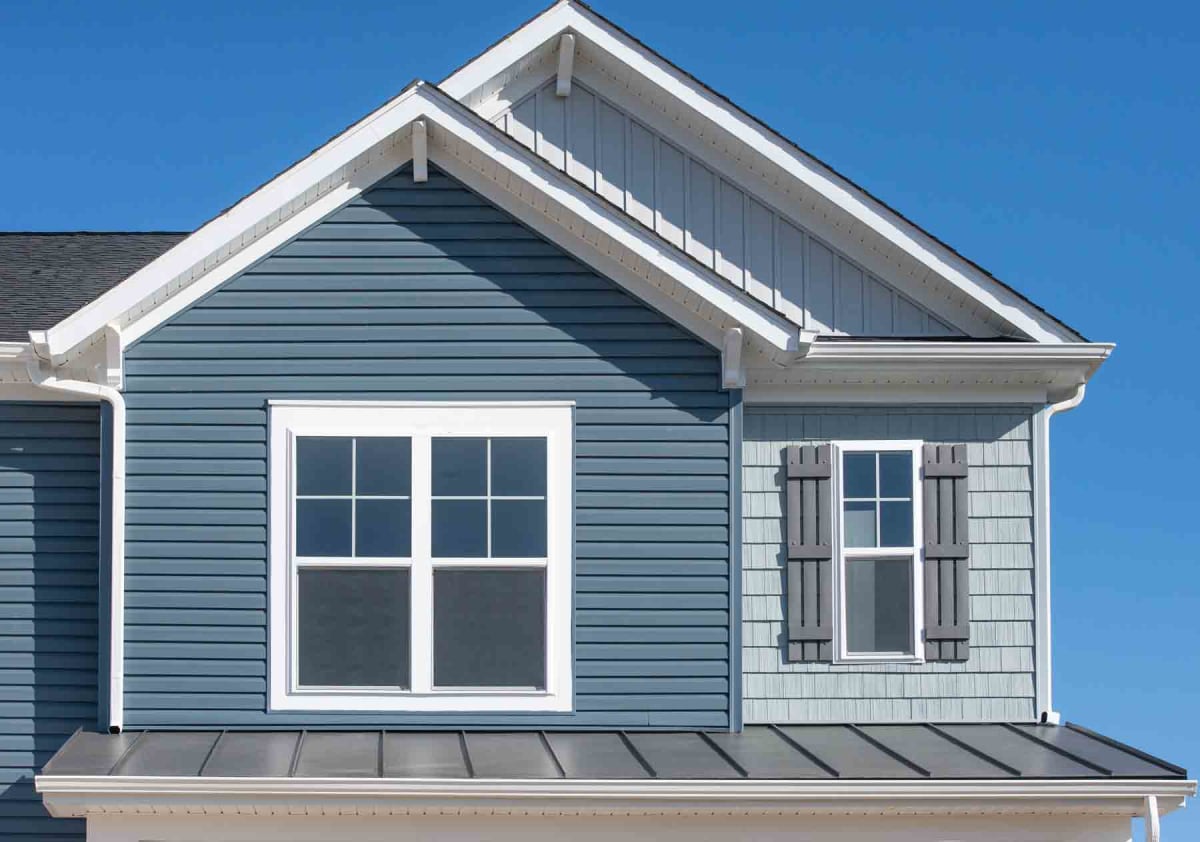 When selecting a siding and roofing contractor for your home, there are several important factors to keep in mind to ensure you hire a reliable and skilled professional.
Evaluate the Experience and Reputation of Local Contractors
It is crucial to research and evaluate the experience and reputation of local contractors in your area. Look for contractors who have a proven track record of successful projects and satisfied customers. Reading online reviews and asking for referrals from friends and family can help you gauge the reputation of different contractors.
Importance of Proper Licensing and Insurance for Contractors
Ensure that the siding and roofing contractor you choose is properly licensed and insured. Licensing demonstrates that the contractor has met the necessary qualifications and standards to perform the work, while insurance protects you in case of any accidents or damage during the project.
Key Questions to Ask Potential Siding and Roofing Contractors
- Can you provide references from past clients?
- What type of warranty do you offer on your work?
- How long have you been in business?
- Do you use subcontractors, and if so, are they also licensed and insured?
Compare Pricing Estimates from Different Contractors
Obtain detailed pricing estimates from multiple contractors to compare their services and costs. Keep in mind that the lowest price may not always reflect the best quality of work, so consider the overall value and reputation of the contractor when making your decision.
Understanding Different Siding and Roofing Options
When it comes to selecting the right siding and roofing materials for your home, it's essential to understand the characteristics, pros and cons, maintenance requirements, and energy efficiency considerations of each option.Popular Siding Options
- Vinyl: Vinyl siding is known for its affordability, low maintenance, and versatility in terms of colors and styles. However, it may not be as durable as other materials and can crack or fade over time.
- Wood: Wood siding offers a natural and timeless look, but it requires regular maintenance to prevent rot, pests, and weather damage. It can also be more expensive than other options.
- Fiber Cement: Fiber cement siding is a durable and low-maintenance option that can mimic the look of wood or stucco. It is resistant to fire, pests, and rot, but it can be heavier and more challenging to install.
Roofing Materials
- Asphalt Shingles: Asphalt shingles are the most common roofing material due to their affordability and ease of installation. They come in various colors and styles but may have a shorter lifespan compared to other materials.
- Metal: Metal roofing is durable, lightweight, and energy-efficient. It can last longer than asphalt shingles and is resistant to fire, pests, and mildew. However, it can be more expensive upfront.
- Slate: Slate roofing is a premium option known for its longevity, natural beauty, and resistance to fire and rot. It is a heavier material that requires professional installation and regular maintenance.
Maintenance and Energy Efficiency
- Proper maintenance is crucial for the longevity of both siding and roofing materials. Regular inspections, cleaning, and repairs can help prevent damage and extend the lifespan of your home's exterior.
- When considering energy efficiency, factors such as insulation, ventilation, and reflective properties of the materials play a significant role. Choosing energy-efficient siding and roofing can help reduce heating and cooling costs over time.
Tips for Inspecting Siding and Roofing Installations
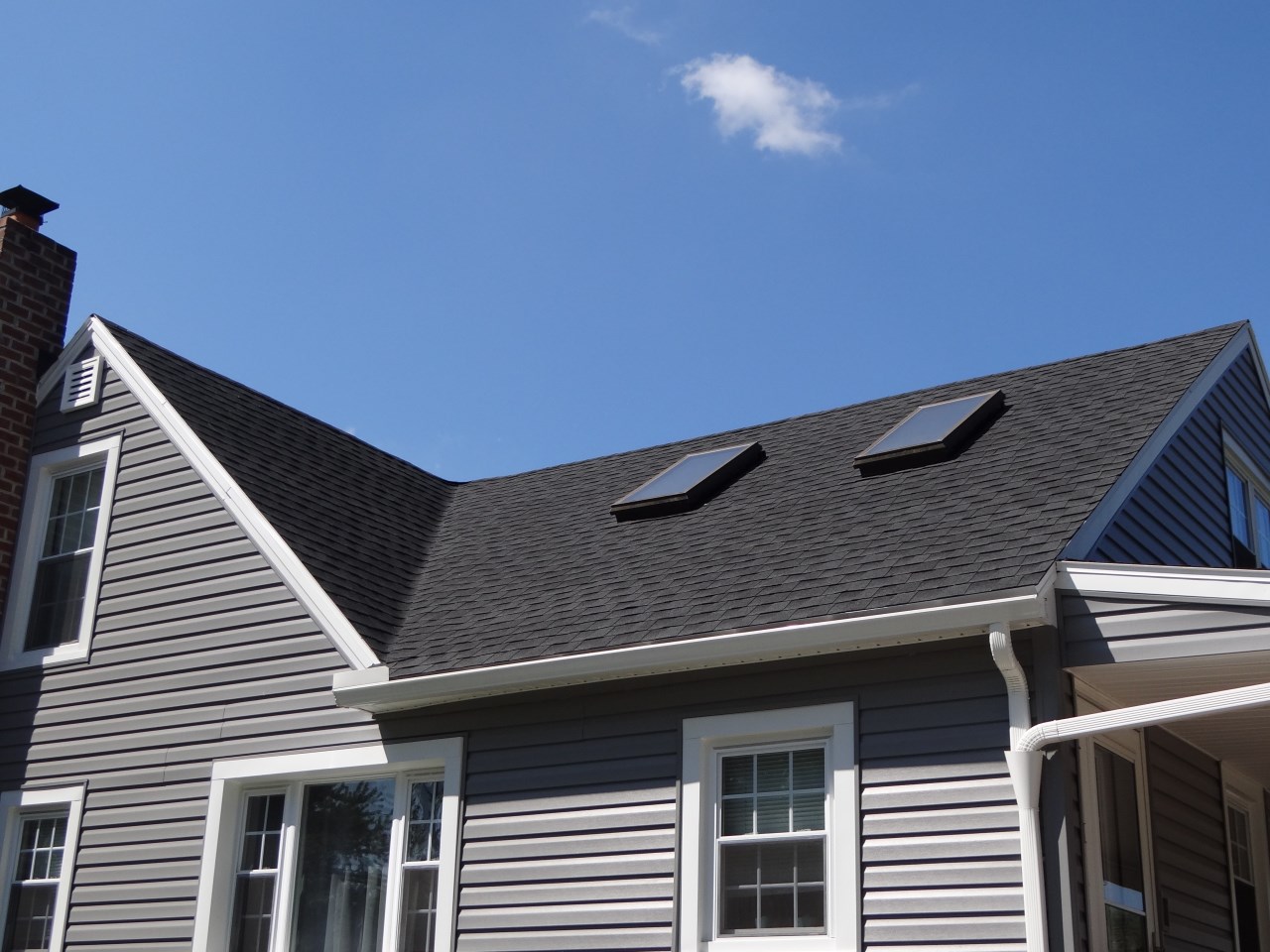 When it comes to inspecting siding and roofing installations, there are key factors to consider to ensure that the job was done correctly. Proper installation is crucial for the longevity and effectiveness of your siding and roofing systems.
Signs of Poor Siding and Roofing Installation
- Uneven or wavy siding panels
- Gaps between siding panels
- Loose or missing shingles on the roof
- Buckling or sagging areas on the roof
- Leaks or water damage inside the property
The Importance of Proper Ventilation in Roofing Systems
Proper ventilation in roofing systems is essential to prevent moisture buildup, which can lead to mold growth, wood rot, and other structural issues. Adequate ventilation helps regulate temperature, reduce energy costs, and prolong the lifespan of the roof.Common Issues After Siding and Roofing Installations
- Cracked or warped siding panels
- Flashing issues around roof penetrations
- Poorly sealed joints and edges
- Improperly installed gutters and downspouts
- Insufficient insulation in the attic
The Significance of Warranties for Siding and Roofing Projects
Warranties provide homeowners with peace of mind and protection against defects or issues that may arise after the installation. It is crucial to understand the terms and conditions of warranties offered by siding and roofing contractors.
Last Point
In conclusion, the quest for the ideal siding and roofing services nearby demands a thorough evaluation of materials, contractors, and maintenance considerations. By keeping these key aspects in mind, you can make informed decisions that guarantee long-lasting and reliable results for your property.
Questions and Answers
What are the common signs of poor siding and roofing installation?
Poor installation may manifest in visible gaps, uneven surfaces, or loose components that compromise the structural integrity of the siding and roofing.
Why is proper ventilation essential in roofing systems?
Proper ventilation helps regulate temperature and moisture levels in the attic, preventing issues like mold growth and premature deterioration of roofing materials.
How can I assess the energy efficiency of siding and roofing materials?
You can evaluate the energy efficiency of materials by looking for features like thermal insulation properties and reflective coatings that reduce heat absorption.