

Exploring the financial implications of upgrading your siding and gutters in 2026, this introduction sets the stage for a detailed analysis of costs and materials. With a focus on clarity and depth, readers will gain valuable insights into making informed decisions for their home improvements.
Detailing the variety of expenses and materials involved, this guide aims to provide a holistic view of the financial aspects of upgrading siding and gutters.
Costs Associated with Upgrading Siding and Gutters
When it comes to upgrading siding and gutters, homeowners should be aware of the various costs involved to properly budget for the project. Beyond the initial costs of materials and labor, there are additional expenses that may arise during the upgrade process. Factors such as the size of the home, the type of materials used, and any necessary repairs can all impact the total cost of upgrading siding and gutters.Typical Expenses
- Cost of materials: The cost of siding and gutter materials can vary depending on the quality and type of material chosen. Vinyl siding is typically more affordable than fiber cement or wood siding, while aluminum gutters may be cheaper than copper or steel.
- Labor costs: Hiring professionals to install new siding and gutters will come with labor costs that should be factored into the overall budget. The complexity of the installation and the size of the home can influence labor costs.
- Permit fees: Depending on local regulations, homeowners may need to obtain permits for siding and gutter upgrades, which can add to the total cost.
Additional Costs
- Repairs: If there is existing damage to the home's siding or gutters, repairs may be needed before the new materials can be installed. These repair costs should be considered in the budget.
- Disposal fees: Removing old siding and gutters can result in disposal fees, especially if the materials are not recyclable. Homeowners should account for these additional costs when planning the upgrade.
Factors Influencing Cost Variations
- Size of the home: Larger homes will require more materials and labor, resulting in higher overall costs for the siding and gutter upgrade.
- Material choice: The type of siding and gutters selected can greatly impact the total cost. High-end materials will be more expensive than budget-friendly options.
- Geographic location: Labor costs and material prices can vary depending on the region, which can influence the overall cost of the upgrade.
Types of Siding Materials and Their Costs
When it comes to upgrading your siding, there are various materials to choose from, each with its own set of costs and benefits. Let's explore the popular siding materials available in the market and their associated costs.Vinyl Siding
Vinyl siding is a popular choice for many homeowners due to its affordability and low maintenance requirements. The cost of vinyl siding typically ranges from $2 to $7 per square foot, making it one of the most budget-friendly options. While vinyl siding may require occasional cleaning, it is durable and can last for up to 20-40 years with proper care.Wood Siding
Wood siding offers a natural and timeless look to your home but comes at a higher cost compared to vinyl. The price of wood siding can range from $5 to $10 per square foot, depending on the type of wood chosen. While wood siding requires more maintenance, with regular painting or staining, it can last for several decades, adding a charming aesthetic to your home.Fiber Cement Siding
Fiber cement siding is a durable and versatile option that mimics the look of wood or stucco without the high maintenance requirements. The cost of fiber cement siding typically falls between $5 to $12 per square foot. Although the initial cost may be higher, fiber cement siding is known for its longevity and resistance to rot, pests, and fire, making it a cost-effective choice in the long run.Metal Siding
Metal siding, such as steel or aluminum, is a modern and sleek option that offers durability and low maintenance. The price of metal siding can vary from $5 to $15 per square foot, depending on the type of metal chosen. While metal siding is resistant to rot, insects, and fire, it may dent or scratch more easily than other materials. However, with proper care, metal siding can last for 40-60 years, making it a durable investment for your home.Gutter Options and Pricing
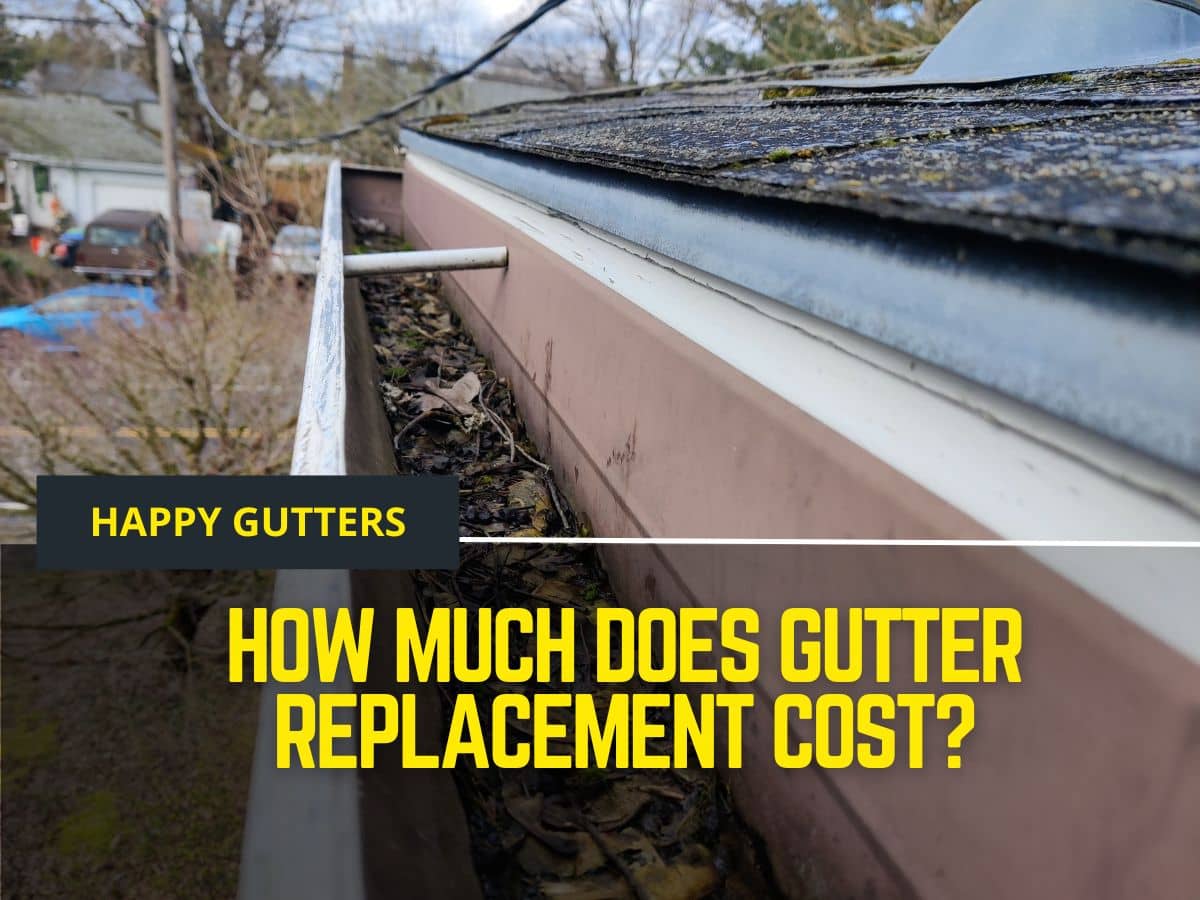 When it comes to choosing the right gutter material for your home, there are several options available, each with its own set of advantages and costs
Aluminum Gutters
Aluminum gutters are a popular choice due to their affordability and lightweight nature. They are also rust-resistant, making them a durable option for most homes. On average, aluminum gutters can cost between $6 to $12 per linear foot, depending on the quality and thickness of the material.Vinyl Gutters
Vinyl gutters are another cost-effective option that is easy to install and requires minimal maintenance. They are also resistant to rust and corrosion. The average cost of vinyl gutters ranges from $3 to $6 per linear foot, making them an attractive choice for budget-conscious homeowners.Steel Gutters
Steel gutters are a more robust option compared to aluminum and vinyl, offering increased durability and longevity. However, steel gutters are prone to rust and corrosion if not properly maintained. The cost of steel gutters can vary significantly, ranging from $9 to $20 per linear foot, depending on the gauge and coating.Copper Gutters
Copper gutters are known for their aesthetic appeal and long lifespan. While copper gutters are the most expensive option upfront, ranging from $15 to $25 per linear foot, they offer a timeless look and require minimal maintenance. Over time, copper gutters develop a natural patina that adds to the charm of a home.It's essential to consider not only the initial cost of the gutters but also their maintenance requirements and longevity when making a decision. Each gutter material has its own set of advantages and drawbacks, so choose the option that best suits your budget and aesthetic preferences.Return on Investment (ROI) for Siding and Gutter Upgrades
Upgrading your siding and gutters can significantly increase the value of your home. Not only do new siding and gutters enhance the curb appeal of your property, but they also improve energy efficiency and protect your home from potential damage.
Average ROI Percentages for Siding and Gutter Replacements
According to industry experts, replacing siding and gutters can provide an average return on investment of 70-80%. This means that for every dollar you invest in upgrading your siding and gutters, you can expect to recoup 70-80 cents when you sell your home.
Impact on Property's Resale Value
- Improved Curb Appeal: Updated siding and gutters can make your home more attractive to potential buyers, leading to a higher resale value.
- Energy Efficiency: New siding and gutters can help improve insulation and reduce energy costs, which can be a selling point for buyers.
- Increased Durability: High-quality siding and gutters can increase the lifespan of your home's exterior, adding value in the eyes of buyers.
- Reduced Maintenance Costs: Upgraded siding and gutters are likely to require less maintenance, appealing to buyers looking for a low-maintenance property.
Summary
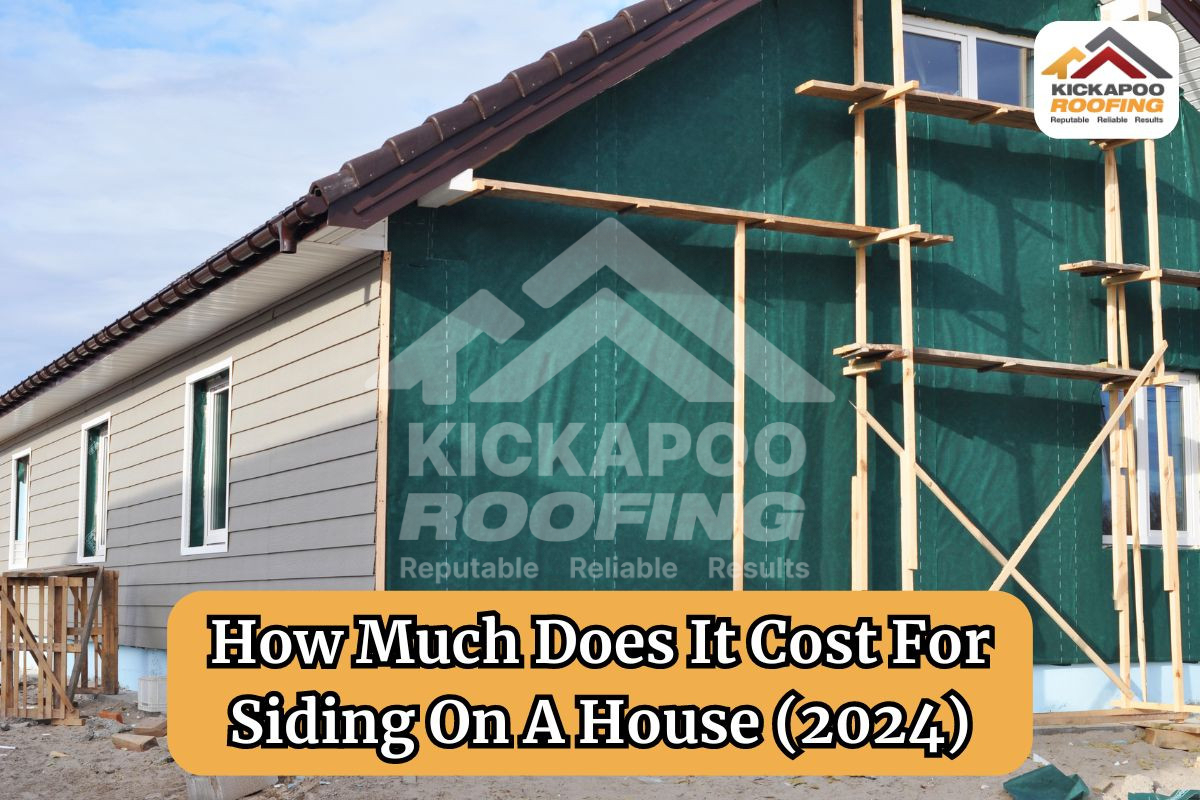
Concluding our exploration of the true cost of upgrading siding and gutters in 2026, this summary encapsulates the key points discussed, offering a final perspective on the financial considerations homeowners should keep in mind.
Quick FAQs
What factors can influence the cost variations in siding and gutter upgrades?
Factors such as material quality, labor costs, and the size of the property can all impact the overall cost of upgrading siding and gutters.
What are the long-term cost implications of choosing different siding materials?
While vinyl siding may have lower upfront costs, wood and fiber cement can offer better durability over time, potentially reducing maintenance expenses in the long run.
How do upgraded siding and gutters affect a property's resale value?
Improved siding and gutters can enhance curb appeal and functionality, leading to a higher resale value for the property.